Comprehensive Guide to a Healthy Lifestyle: Diet, Fitness, and Beyond in 2025
In 2025, achieving a healthy lifestyle is a multifaceted endeavor that integrates balanced nutrition, regular physical activity, mental well-being, and social engagement. With advancements in technology and a deeper understanding of human health, individuals have unprecedented access to tools and knowledge to enhance their quality of life. This comprehensive guide explores evidence-based strategies for optimizing health through diet, fitness, and lifestyle practices, leveraging the latest trends and research to provide actionable insights for a healthier, longer life.
Understanding Health in 2025
Health, as defined by the World Health Organization, is a state of complete physical, mental, and social well-being, not merely the absence of disease. In 2025, this holistic perspective is enhanced by technological advancements, such as precision medicine and digital health tools, which enable personalized approaches to wellness.
Physical Health
Physical health forms the foundation of a healthy lifestyle. Regular medical check-ups facilitate early detection and prevention of diseases, a practice made more effective by precision medicine. Genomic research, as noted in health trends for 2025, allows for treatments tailored to individual genetic profiles, improving outcomes for conditions like cancer and genetic disorders (MedPark Hospital). Routine screenings, vaccinations, and monitoring of vital health metrics are essential for maintaining physical vitality.

Mental Health
Mental health has gained significant recognition, with 2025 seeing a rise in accessible resources like AI therapists and digital mental health platforms. These tools provide personalized support, making mental health care more inclusive. Practices such as mindfulness, meditation, and cognitive behavioral therapy are recommended to manage stress and enhance emotional resilience. Research highlights that chronic stress can accelerate aging, making mental health practices critical for longevity (The Independent).

Social Health
Social connections are vital for longevity and emotional well-being. Studies indicate that individuals with strong social ties have a lower risk of premature mortality, as social isolation is linked to increased health risks (Medical News Today). Engaging in community activities, maintaining friendships, and fostering family relationships enhance social health, contributing to a sense of purpose and happiness.
Sleep and Hydration
Adequate sleep (7-9 hours per night) and hydration (approximately 8 glasses of water daily) are foundational to health. Wearable technology in 2025, such as smartwatches and health rings, monitors sleep patterns and hydration levels, providing data to optimize these critical aspects. Poor sleep and dehydration can impair cognitive function and increase chronic disease risk, underscoring their importance in a healthy lifestyle (Great River Health).
The Role of Diet in a Healthy Lifestyle
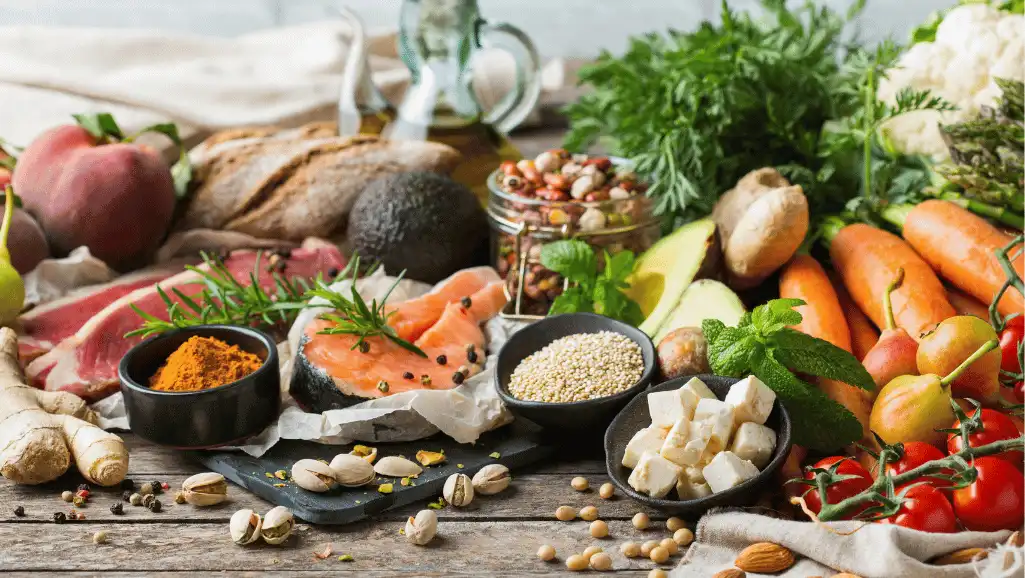
A balanced diet provides essential nutrients to support bodily functions, enhance energy levels, and reduce disease risk. In 2025, dietary trends emphasize whole foods, personalized nutrition, and sustainability.
Basic Nutrition
Understanding nutritional components is key to a healthy diet:
- Carbohydrates: Primary energy source; opt for complex carbohydrates like whole grains (e.g., oats, quinoa) to sustain energy levels.
- Proteins: Essential for muscle repair and immune function; sources include lean meats, fish, legumes, and tofu.
- Fats: Support hormone production and cell health; choose healthy fats from avocados, nuts, and olive oil.
- Vitamins and Minerals: Crucial for metabolic processes; a diverse diet rich in fruits and vegetables ensures adequate intake.
Popular Diet Plans
Several evidence-based diets are recommended for health and longevity:
- Mediterranean Diet: Emphasizes fruits, vegetables, legumes, whole grains, fish, and olive oil. It is associated with reduced risks of heart disease, cancer, and cognitive decline, earning top rankings in 2025 for its sustainability and health benefits (National Geographic).
- Plant-Based Diet: Focuses on plant-derived foods, reducing chronic disease risk and environmental impact. It is flexible, allowing occasional animal products, and supports gut health through high fiber intake (World Cancer Research Fund).
- Intermittent Fasting (IF): Involves cycling between eating and fasting periods (e.g., 16:8 method). IF promotes weight loss and metabolic health by enhancing fat oxidation and insulin sensitivity, though long-term adherence requires careful planning.
Tips for Healthy Eating
Adopting healthy eating habits enhances dietary outcomes:
- Practice portion control to prevent overeating.
- Read nutrition labels to avoid high-sodium or high-sugar products (WHO).
- Limit processed foods and added sugars to reduce inflammation.
- Incorporate a variety of colorful fruits and vegetables for diverse nutrients.
Superfoods and Personalized Nutrition
Superfoods like blueberries, salmon, kale, and quinoa provide concentrated nutrients, supporting heart and brain health. In 2025, personalized nutrition based on genetic testing tailors彼此
Fitness and Exercise in 2025
Regular physical activity is essential for maintaining a healthy weight, improving cardiovascular health, and enhancing mental well-being. In 2025, fitness trends emphasize technology-driven personalization and holistic approaches to exercise.
Benefits of Exercise
Exercise reduces the risk of chronic diseases, improves mood, and enhances sleep quality. Regular physical activity, as little as a daily walk, can extend lifespan by improving metabolic and cardiovascular health (Medical News Today).
Types of Exercises
A balanced fitness routine includes:
- Cardiovascular Exercise: Activities like running, cycling, or swimming improve heart health and endurance.
- Strength Training: Weightlifting or bodyweight exercises build muscle and bone density.
- Flexibility and Balance: Yoga and stretching enhance mobility and prevent injuries.
Starting a Fitness Routine
Beginners should set realistic goals, choose enjoyable activities, and gradually increase intensity. Hybrid training, combining strength, cardio, and mobility, is a 2025 trend for its versatility and sustainability (Glimpse).
Technology in Fitness
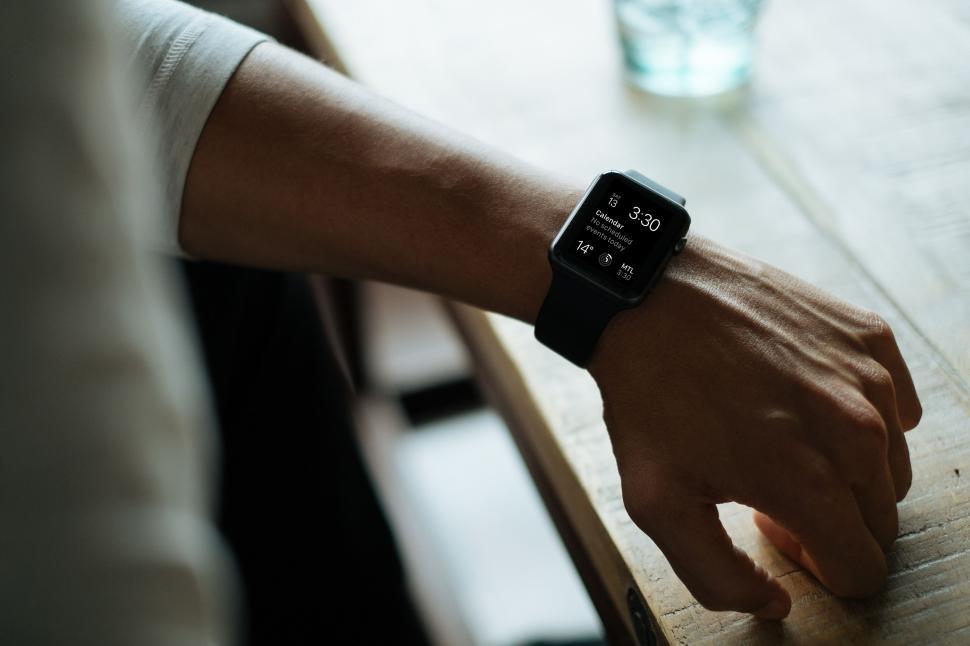
Wearable devices, such as smartwatches and health rings, track metrics like heart rate and sleep, while AI-powered apps provide personalized workout plans. These tools, highlighted as top trends by the American College of Sports Medicine, enhance exercise efficacy and motivation (ACSM).
Integrating Diet and Fitness
Diet and exercise are synergistic, with nutrition fueling physical activity and exercise influencing dietary needs.
Pre and Post-Workout Nutrition
Consume a balanced meal with carbohydrates and protein 2-3 hours before exercise to provide energy, and a protein-rich meal within 30 minutes post-workout to aid recovery. Examples include a banana with peanut butter pre-workout and a protein shake post-workout.
Tailoring Diet to Fitness Goals
Adjust nutrition based on goals:
- Weight Loss: Create a calorie deficit by consuming fewer calories than burned.
- Muscle Gain: Increase protein and calorie intake to support muscle growth.
- Maintenance: Balance calorie intake with expenditure for stable weight.
Lifestyle Habits
Meal prepping and scheduling workouts ensure consistency. Planning meals in advance supports healthy eating, while regular exercise slots integrate fitness into daily life.
Additional Lifestyle Factors
Beyond diet and fitness, other factors significantly influence health.
Work-Life Balance
Maintaining boundaries between work and personal life prevents burnout. Setting aside time for self-care and leisure activities enhances overall well-being.
Social Connections
Engaging in community activities and maintaining relationships foster emotional health and provide support networks, reducing stress and enhancing happiness.
Hobbies and Leisure
Pursuing hobbies, such as painting or hiking, promotes relaxation and joy, contributing to mental health.
Avoiding Harmful Habits
Refraining from smoking and limiting alcohol consumption reduce health risks and improve quality of life (WHO).
Conclusion
Achieving a healthy lifestyle in 2025 requires a holistic approach that integrates balanced nutrition, regular exercise, mental well-being, and social engagement. By leveraging advancements in technology, such as wearable devices and personalized nutrition, individuals can tailor their health strategies to their unique needs. Start with small, sustainable changes, such as adopting a Mediterranean-inspired diet, incorporating 150 minutes of weekly exercise, and prioritizing sleep and social connections. Consult healthcare professionals to ensure safety and efficacy, paving the way for a healthier, more vibrant life.
Sample Weekly Plan for a Healthy Lifestyle
| Day | Diet | Exercise | Lifestyle Activity |
|---|---|---|---|
| Monday | Mediterranean breakfast (Greek yogurt, fruit); vegetable soup lunch; salmon dinner | 30-min brisk walk | 30-min mindfulness meditation |
| Tuesday | Oatmeal breakfast; quinoa salad lunch; chicken stir-fry dinner | 20-min HIIT workout | Join a community book club |
| Wednesday | Smoothie breakfast; lentil soup lunch; tofu stir-fry dinner | 45-min yoga session | Plan a weekend hike |
| Thursday | Egg and avocado toast breakfast; chickpea salad lunch; fish dinner | 30-min strength training | Call a friend to catch up |
| Friday | Fruit and nut breakfast; vegetable wrap lunch; lean beef dinner | 40-min cycling | Practice a hobby (e.g., painting) |
| Saturday | Pancakes with berries breakfast; hummus wrap lunch; shrimp dinner | 60-min hybrid training | Attend a local community event |
| Sunday | Whole-grain toast breakfast; bean salad lunch; poultry dinner | Rest or light stretching | Digital detox for 2 hours |
Key Health Metrics to Monitor
| Metric | Recommended Range | Monitoring Tool |
|---|---|---|
| Sleep Duration | 7-9 hours/night | Wearable device (e.g., smartwatch) |
| Hydration | 8 glasses/day | Hydration tracking app |
| Exercise | 150 min/week moderate intensity | Fitness tracker |
| Calorie Intake | Varies by goal (consult dietitian) | Nutrition app |
Comments
Post a Comment